

Catering Checklist for Corporate Events

Corporate events require careful planning, and catering is often one of the most visible parts of the entire experience. Whether it is a client presentation, annual meeting, team celebration, product launch, or internal conference, food can strongly influence how guests feel during the event. Well-planned catering can create a professional atmosphere, improve guest comfort, and support better engagement throughout the day. Poor planning, however, can lead to delays, confusion, and a disappointing experience. This is why creating a proper catering checklist for corporate events is essential for every business.
Many event organizers focus heavily on the venue, agenda, and guest list, but catering deserves equal attention because it affects every attendee directly. Guests may forget a presentation slide, but they often remember whether the food was fresh, whether service was smooth, and whether their dietary needs were considered. A strong catering checklist for corporate events helps prevent common mistakes by organizing every detail before the event begins.
A good checklist can help businesses manage the guest count, select the right menu, coordinate delivery, and control the overall budget. It can also improve communication with the catering provider so expectations remain clear. Even small details such as serving equipment or beverage refills can affect the professionalism of an event.
As businesses continue to host more employee gatherings and client-facing events, catering has become a bigger part of workplace planning. A structured catering checklist for corporate events helps businesses create a smoother experience while reducing stress for the planning team. The right preparation can turn a standard event into a more polished and memorable one for everyone attending.

Understand the Event Before Planning the Menu
Before choosing food, it is important to understand the purpose of the event. Different corporate events require different catering styles. A formal board meeting may need individually plated meals, while a team celebration may work better with a buffet. The time of day also matters because breakfast meetings require lighter menus, while evening events may need heavier meals.
Understanding the event early helps avoid ordering food that does not fit the setting. It also helps determine whether guests will be seated, moving around, or attending multiple sessions. The better the event is understood, the easier it becomes to build a practical catering checklist for corporate events that matches the occasion.
Important details to confirm
| Event Detail | Why It Matters |
|---|---|
| Event type | Determines service style |
| Time of day | Affects menu choices |
| Guest profile | Helps with food preferences |
| Duration | Impacts portion planning |
| Venue setup | Affects food presentation |
Confirm Guest Numbers and Dietary Preferences
One of the most important parts of a catering checklist for corporate events is confirming the final guest count. Ordering too much food increases costs and waste, while ordering too little can leave guests unsatisfied. Final numbers should include employees, clients, speakers, support staff, and any special guests.
Dietary requirements should also be collected before the event. Many guests may need vegetarian, vegan, gluten-free, or allergy-friendly options. Planning ahead helps the caterer prepare suitable meals and ensures all attendees feel included.
Details to collect from guests
- Total number of attendees
- Vegetarian preferences
- Vegan meals
- Food allergies
- Religious food restrictions
Taking these steps early helps avoid confusion on the event day.

Choose the Right Catering Style
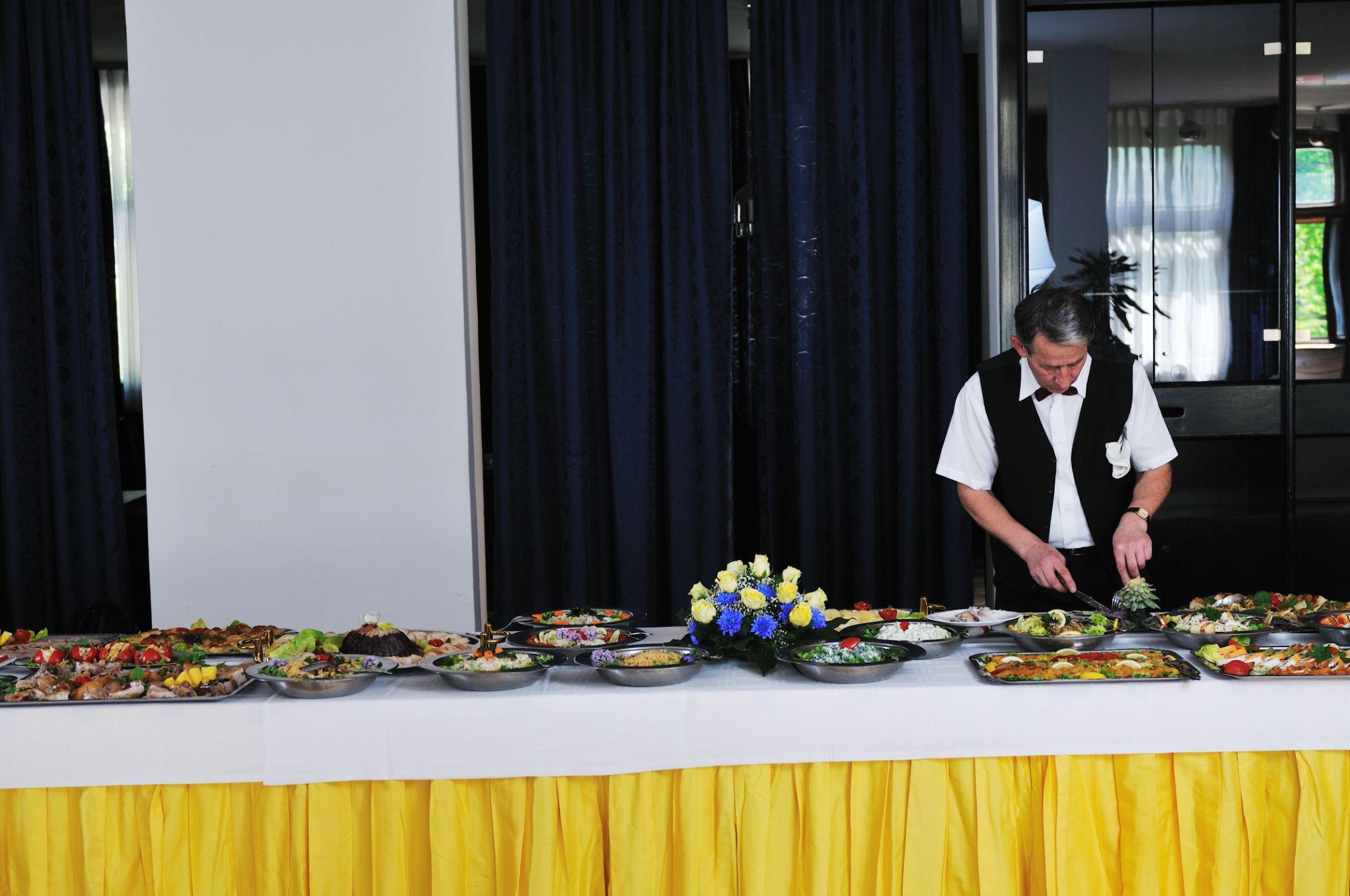
The way food is served can change the atmosphere of a corporate event. Buffet catering works well for larger groups because it offers variety and flexibility. Plated service creates a more formal experience, while boxed meals are ideal for short meetings where convenience matters.
The right service style depends on the event format, available space, and budget. Matching the service style to the event can improve guest comfort and make the food experience feel more organized.
Common catering styles
| Catering Style | Best For |
|---|---|
| Buffet | Large office events |
| Plated meals | Formal meetings |
| Boxed meals | Quick meetings |
| Snack trays | Short sessions |
| Live counters | Premium events |
Choosing the right format strengthens the overall catering checklist for corporate events.
Plan a Balanced Menu
A good menu should feel professional while remaining practical. Food should be easy to serve, simple to eat, and suitable for the event timing. A breakfast event may need lighter items, while longer meetings may require more filling meals.
The menu should include enough variety to satisfy different preferences without becoming unnecessarily complicated. Balance is important because guests usually prefer fresh, familiar food over overly complex dishes.
- Light starters
- Main dishes
- Side dishes
- Desserts
- Beverages
Simple menus often create the best results because they are easier to manage and enjoy.
Confirm Setup and Service Logistics
Even excellent food can create problems if logistics are not handled properly. Delivery timing, serving equipment, table setup, and cleanup responsibilities should all be confirmed in advance. Caterers should know when the food must arrive and how long the setup will take.
The event venue should also be checked to confirm whether there is enough space for food stations or buffet tables. Clear communication prevents delays and helps the event flow smoothly.
Logistics checklist
- Delivery time confirmed
- Setup area available
- Serving equipment ready
- Staff assigned
- Cleanup arranged
These details are essential in every catering checklist for corporate events.
Budget Planning Matters
Catering costs can quickly increase if the budget is not reviewed carefully. Food, beverages, staffing, taxes, and service charges should all be included in the total estimate. Many businesses focus only on food cost and forget the extra expenses that can appear later.
Comparing catering options can help businesses find better value while maintaining quality. The goal is not simply to spend less but to spend wisely.
Typical catering expenses
| Expense | Included |
|---|---|
| Food |
Main menu |
| Drinks | Beverage service |
| Staff | Servers |
| Rentals | Equipment |
| Delivery | Transportation |
Budget control helps businesses manage a successful catering checklist for corporate events.
Why MyKhana is a Reliable Corporate Catering Partner
For businesses in Bangalore, MyKhana offers a dependable solution for companies that need organized event catering. Corporate events often require punctual delivery, menu flexibility, and professional presentation. MyKhana helps businesses manage these details with customized meal plans designed for office environments. Their ability to handle dietary preferences, portion planning, and timely service makes event coordination easier for businesses. For companies looking to improve their catering checklist for corporate events, MyKhana can help create a smoother and more professional catering experience.
Final Event-Day Review
A final review before the event can prevent avoidable mistakes. Every important detail should be checked again one day before the event. This includes confirming guest count, menu selections, delivery timing, payment, and emergency contacts.
A single coordinator should also be assigned to manage communication with the caterer during the event. This keeps everything organized and reduces confusion.
Final review points
- Guest count finalized
- Menu approved
- Delivery confirmed
- Payment completed
- Contact person assigned
This final step can make the event feel far more professional.
Conclusion
Food plays a major role in shaping the experience of any business event. Guests may remember the professionalism of the service as much as the event itself. This is why a proper catering checklist for corporate events is valuable for businesses of every size.
Understanding the event, confirming guests, choosing the right service style, and planning a balanced menu can help create a better experience for everyone attending. Attention to logistics and budgeting can also prevent unnecessary stress for the organizing team.
The biggest advantage of using a catering checklist for corporate events is that it allows businesses to stay prepared. Instead of dealing with problems during the event, organizers can focus on creating a smooth experience for guests.
With the right planning and the right catering partner, businesses can create events that feel polished, welcoming, and professionally managed. A thoughtful catering checklist for corporate events can help turn a simple gathering into an event that leaves a lasting positive impression.